
15 Binder Joiner Test 2025 Benefits You Should All Know
페이지 정보
작성자 Wendy Lamington 작성일25-11-23 15:30 조회4회 댓글0건관련링크
본문
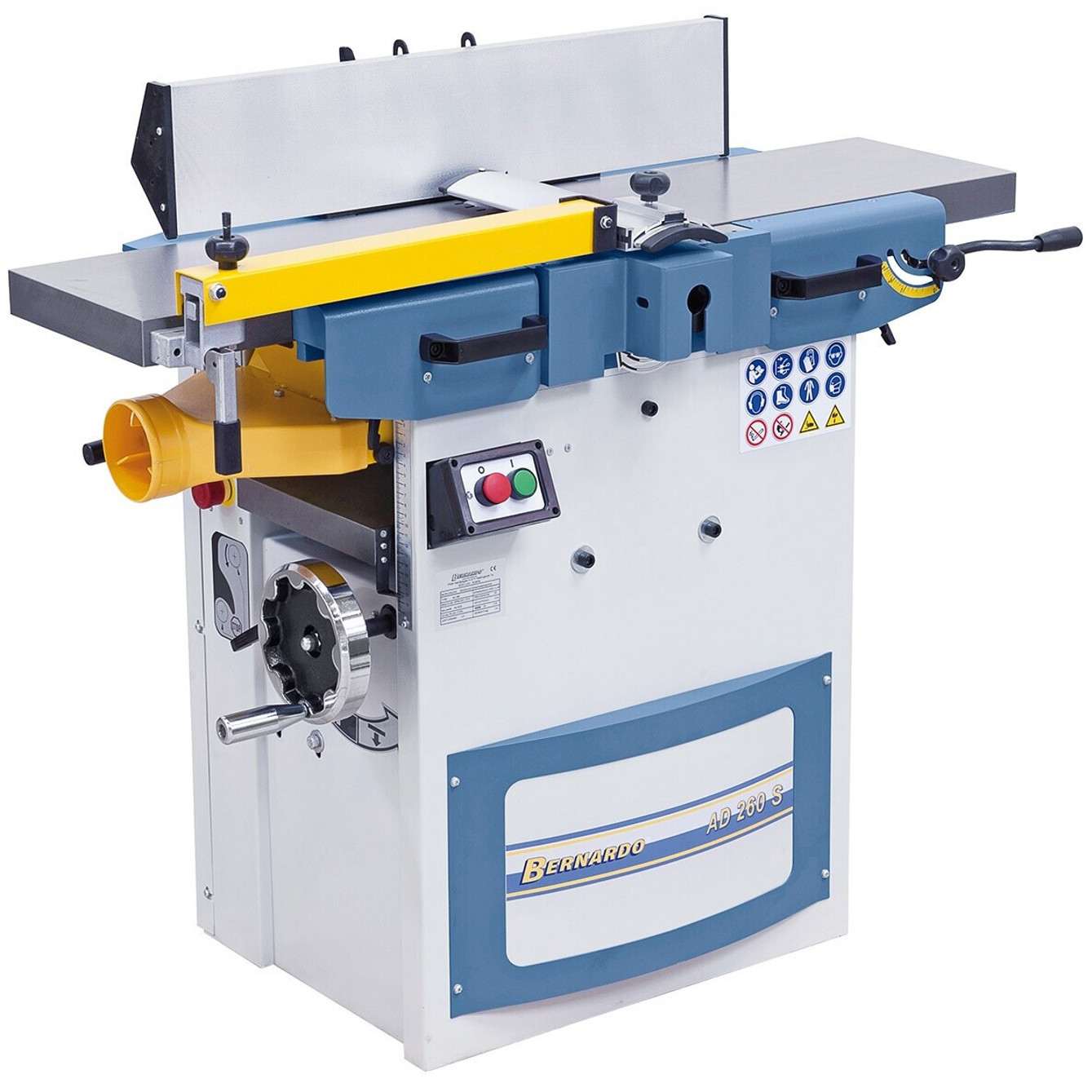
Understanding the Binder Joiner Test 2025: A Comprehensive Guide
As the manufacturing industry progresses, the requirement for standardized testing has actually become paramount to make sure quality and performance. The Binder Joiner Test 2025, Maschinen Set Mit 3 Akkus to roll out in the future, promises to enhance making processes and enhance item consistency throughout different sectors. This article intends to offer you with an extensive understanding of the Binder Joiner Test 2025, its significance, method, and key takeaways.
What is the Binder Joiner Test?
The Binder Joiner Test (BJT) is a standardized treatment created to assess the quality and stability of binding materials utilized in joining components, particularly in the woodworking and building industries. The upcoming 2025 model introduces up-to-date screening techniques that show the current advancements in material science and engineering.
Importance of the Binder Joiner Test
The Binder Joiner Test is crucial for several reasons:
- Quality Assurance: It makes sure that bonding materials can withstand the tensions and loads anticipated in real-world applications.
- Standardization: The test creates an uniform standard for producers, boosting product competitiveness.
- Safety: Properly tested and validated joints avoid structural failures, therefore making sure security for end-users.
- Sustainability: The test encourages making use of ecologically friendly binding products by evaluating their effectiveness.
Binder Joiner Test 2025: The Expanded Framework
The BJT 2025 presents notable modifications to its predecessor, concentrating on three core locations: products, testing treatments, and examination criteria. The following table sums up the updated framework.
| Aspect | Previous Test (2020 ) | BJT 2025 |
|---|---|---|
| Products | Restricted alternatives | Wide range with environment-friendly options |
| Checking Procedures | Manual evaluations | Automated and digital methods |
| Examination Criteria | Standard efficiency | Extensive performance metrics, including durability and environmental effect |
Method of the Binder Joiner Test 2025
The Binder Joiner Test uses a rigorous approach to examine binding materials in a structured manner. Here's an overview:
Step 1: Sample Preparation
- Choice of Materials: Choose appropriate binding agents and substrate products that are representative of the end products.
- Conditioning: Samples must be conditioned to standardized temperature level and humidity levels to guarantee consistent screening conditions.
Action 2: Joining Process
- Application of Binder: Apply the binder according to producer standards.
- Curing: Allow the adhesive to treat fully based on the specified time requirements, which might differ depending on the binder type.
Step 3: Testing Procedures
- Shear Strength Testing: Measure the shear strength of the bonded material utilizing hydraulic presses that apply steady pressure until failure takes place.
- Toughness Assessment: Conduct cyclic loading tests that simulate real-life conditions over extended durations.
- Impact Resistance: Assess how well the bond can withstand sudden impacts or tension shocks.
Step 4: Evaluation and Reporting
- Information Collection: Test outcomes are recorded digitally for accuracy.
- Efficiency Metrics Analysis: Compare results versus the fixed standards to examine performance.
- Reporting: Produce a detailed report detailing findings, performance rankings, and compliance with industry standards.
Secret Features of the Binder Joiner Test 2025
The BJT 2025 has a number of essential features designed to enhance the general screening experience and results:
- Integration of AI: The addition of Artificial Intelligence for predictive analysis based upon testing data.
- Digital Reporting: Automated reporting systems that enable quicker analysis of data.
- Comprehensive Database: Hobelmaschine KombigeräT A central database of outcomes that industry specialists can access to compare materials.
Regularly Asked Questions (FAQ)
1. Who must stick to the Binder Joiner Test 2025?
Makers that produce bonded products, especially in woodworking, building, and associated sectors, must adhere to the Binder Joiner Test 2025.
2. What are the primary materials tested?
The BJT 2025 tests a variety of binding representatives including but not restricted to, PVA (Polyvinyl Acetate), epoxy resins, and polyurethane adhesives.
3. How typically should products be evaluated?
It is recommended that items go through testing every production cycle, specifically when there is a change in products or production processes.
4. What consequences come from failing the test?
Failure to fulfill the BJT 2025 standards can result in item recalls, loss of market credibility, Akku Werkzeug Set Angebot and possible legal implications if safety standards are not maintained.
5. Can companies influence the screening requirements?
Market feedback is encouraged, and business can suggest enhancements to the testing criteria through official channels participated in keeping the standards.
The upcoming execution of the Binder Joiner Mauernutfräse Test 2025 symbolizes a promising shift towards more rigorous testing standards in the bonding products market. Comprehending its framework, significance, and methodology can gear up makers and stakeholders with the knowledge needed to adjust to these changes effectively. As the industry prepares for this improvement, remaining notified will be vital for success in an increasingly competitive market.
The adoption and compliance with the Binder Joiner Test 2025 might well change product manufacturing, contributing not only to improved safety and quality but also to sustainable practices that benefit future generations.
댓글목록
등록된 댓글이 없습니다.