
One Of The Most Untrue Advices We've Ever Heard About French Bulldog
페이지 정보
작성자 Joey 작성일25-04-02 10:21 조회2회 댓글0건관련링크
본문
French Bulldog Puppies
Frenchies are low-maintenance dogs that require moderate grooming and exercise. They're great for people who live in apartments and make great family pets.
 Being brachycephalic, Frenchies are prone to respiratory issues like snoring and narrow nostrils. They also have a tendency to skin fold dermatitis. They can also suffer from hip dysplasia and herniated disks.
Origin
French Bulldogs are small companion dogs with compact bodies and short coats. Their wrinkled faces, their small noses, and their bat-like ears standing upright are what make them unique. They are affectionate and loyal companions, which makes them the perfect family pet. They also play, making them great pets for children. This breed originated in Europe and was introduced to Paris by English lace makers. They became a favored breed in France during the 19th century and are now among the most popular dog breeds around the world.
Despite their popularity, there are concerns regarding the future of this breed. The demand for Frenchies outstrips the supply, leading to breeding practices that don't consider the health risks. This is particularly applicable to brachycephalic dogs such as the Frenchies who are susceptible to breathing issues. Unscrupulous breeders rush to meet demand but this led to an increase in genetically altered and unhealthy Frenchies.
While Frenchies are well-known in the United States, they were first introduced to the public at the Westminster Kennel Club show in 1896. The French Bulldogs were first created by mixing toy English Bulldogs with French Bulldogs.
They eventually made their way to America and became a favorite among the high-society ladies. Even actors and sports stars favored them. They are frequently seen in commercials and movies, and they are often seen at sporting events.
Breeds such as this enjoyed their highest popularity during the gilded age of the 20th century and are still popular among celebrities today. They are frequently seen on the red carpet. Famous celebrities like Lady Gaga and Hugh Jackman are awestruck by them.
The Frenchie is a wonderful addition to the family, but they do need special care. They are susceptible to several health issues, including skin infections, respiratory diseases and digestive issues. You can help your Frenchie live a long and healthy life by providing them with the right nutrition. This includes a diet rich in protein, vitamins, and minerals. The food you eat should have the right amount of oils and carbohydrates to keep your Frenchie healthy and full.
Characteristics
French bulldogs are affectionate and loving dogs that make great companions for families. They are highly intelligent and easily trained. They require only moderate exercise. They are social and adaptable, making them an excellent choice for busy individuals. They are prone to health issues due to their brachycephalic face structure. It is crucial to choose a French Bulldog from a reputable breeder who follows ethical breeding practices. They should perform health screenings and provide a nurturing environment for their puppies. They should also avoid urging you to buy a certain color or gender as it could be a sign of breeding practices that are harmful to health.
The French bulldog was first seen in France during the 1800s. They were popular with lacing workers and other upper-class French citizens. In the late 1800s, they were brought to America, and soon became a favorite among American sportsmen and celebrities. The American Kennel Club recognized the breed in 1898. Originally bred as working dogs, Frenchies now are mostly kept as companions. Their distinctive appearance is due to their large "bat-like" ears and wrinkled faces.
Frenchies, even though they are stubborn, are very trainable and eager to please. They are most responsive to positive reinforcement and are awed by games that require play. It is recommended to get them involved in classes in obedience and socialization at an early age, to help them develop into well-mannered dogs.
It is essential to supervise any interactions between Frenchies and children to avoid accidents. This is the case for all dogs, but it's crucial to take care with smaller kids who may accidentally cause injury or over-exertion on a Frenchie.
Health concerns
The French bulldog is no different from any other breed. There are some health concerns that you should be aware of. Their flat-faced structure (brachycephalic) can make them vulnerable to breathing problems, such as obstructive sleeping breathing disorder, also known as apnea. This is caused by the tissues of their throats compressing the airways. Acid reflux and chronic diarrhea are also common gastrointestinal issues that require surgery or medication. They have a short nose which make it difficult for them to pant. This can lead to excessive heat or overheating.
Their slim bodies and short legs make them more vulnerable to joint problems such as hip dysplasia and intervertebral disc disease. This condition occurs when the discs between the bones of the spine expand and rupture or slip. This puts pressure on the spinal cord. This is a serious issue for this breed and requires treatment that could include physical therapy, pain medication or surgery.
Because of their face-lengthening, Frenchies are also prone to a myriad of dental issues, including overcrowding and impacted teeth. The TMJ syndrome is also common in Frenchies, and the joints of their face and jaw become stiff and painful. The breed is also prone to gum and dental disease.
Those big bat-like ears of the French bulldog can be problematic for their health, since they can easily get infected by germs and debris thanks to narrow ear canals as well as wide openings. If you notice redness, a discharge or a constant scratching of your dog's ears, bring them to the vet right away.
Heart issues, like congenital heart defects, like atrial septal defect, ventral septal defect, or pulmonic stasis (where the pulmonary valves are narrow and restrict the flow of blood to lung for oxygen) are also a problem. Frenchies are also at a higher risk of developing heart base tumours.
Because of the high level of sedentary lifestyles they lead, it's important that Frenchies get plenty of exercise to stay healthy and active. They also require a high-quality diet and regular veterinary wellness check-ups to ensure that they receive the treatment they need to live a long and happy life.
Training
Frenchies are loving and affectionate dogs that make great companions. While they don't require a lot of exercise, they do require mental stimulation to keep their minds sharp. Training also helps instill good habits, making them more enjoyable both in and out of the home. Frenchies that are properly trained will follow instructions, behave courteously around people and other dogs and exhibit fewer undesirable behaviors like excessive chewing or barking.
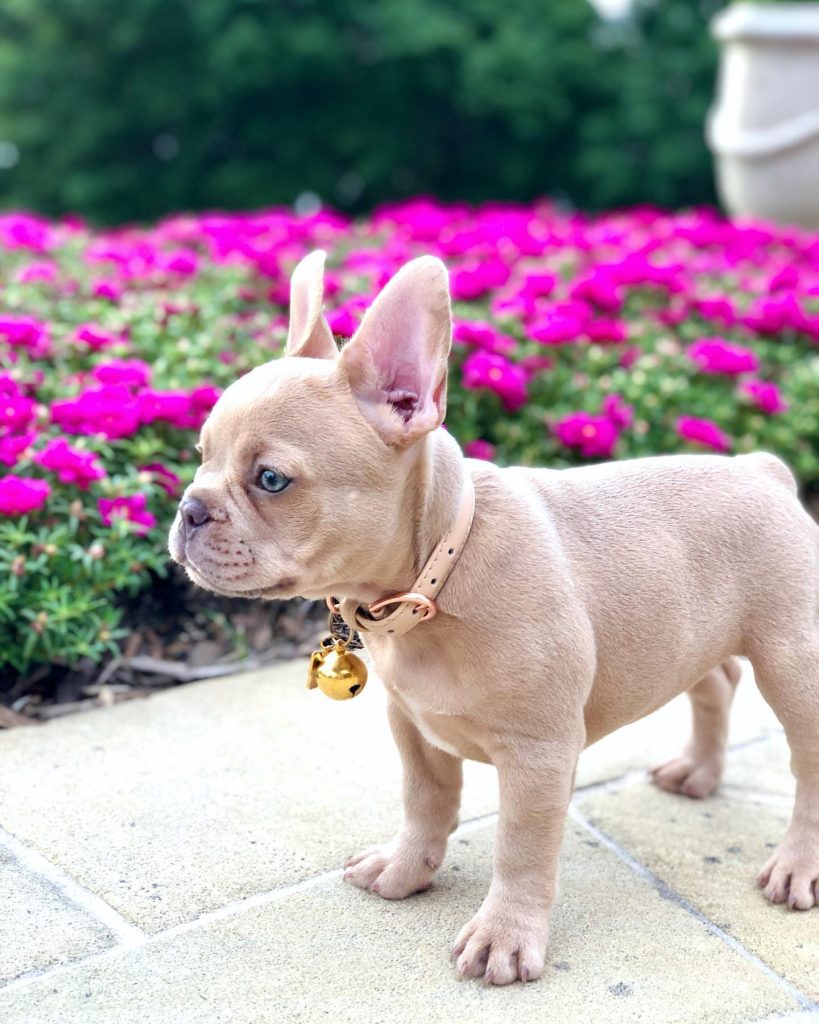 Like all dogs, Frenchies need consistent, patient training. Positive reinforcement is the most effective approach and it's crucial to reward good behavior in order to encourage the desired behavior and inspire your pup to continue doing it. Beware of punishing bad behavior since this could cause anxiety and aggression in the near future.
Making a schedule for playtime, meal times, and crate time can help establish a structure that your French Bulldog will thrive under. This consistency is particularly helpful when you are training your dog to use the toilet, since it helps you predict when your puppy is likely to go outside, and will encourage them to go for a toilet outdoors instead of indoors.
Crate training should be introduced to your Frenchie slowly, allowing them plenty of time to play in the crate before you close the door for the first time. During this time you can provide them with meals in their crate, and give them puzzle toys with treats to keep them occupied while they are in the crate. This will teach them that they are not punished for entering their crate, and keep them from becoming frustrated.
Frenchies aren't very active dogs, Französische bulldogge welpen zu kaufen kaufen französische bulldogge welpen französischen Bulldoggenwelpen kaufen (please click the following internet site) but they do require regular exercise. They can be walked and played with in the yard. This can help them maintain a healthy weight and prevent joint issues. It is important to avoid exercising in hot temperatures since Frenchies are prone to heat exhaustion. Proper nutrition and regular grooming are essential for maintaining your Frenchie's overall health and well-being. Regular nail trimming and brushing helps reduce shedding and reduces the chance of developing dermatitis.
Frenchies are low-maintenance dogs that require moderate grooming and exercise. They're great for people who live in apartments and make great family pets.
Being brachycephalic, Frenchies are prone to respiratory issues like snoring and narrow nostrils. They also have a tendency to skin fold dermatitis. They can also suffer from hip dysplasia and herniated disks.Origin
French Bulldogs are small companion dogs with compact bodies and short coats. Their wrinkled faces, their small noses, and their bat-like ears standing upright are what make them unique. They are affectionate and loyal companions, which makes them the perfect family pet. They also play, making them great pets for children. This breed originated in Europe and was introduced to Paris by English lace makers. They became a favored breed in France during the 19th century and are now among the most popular dog breeds around the world.
Despite their popularity, there are concerns regarding the future of this breed. The demand for Frenchies outstrips the supply, leading to breeding practices that don't consider the health risks. This is particularly applicable to brachycephalic dogs such as the Frenchies who are susceptible to breathing issues. Unscrupulous breeders rush to meet demand but this led to an increase in genetically altered and unhealthy Frenchies.
While Frenchies are well-known in the United States, they were first introduced to the public at the Westminster Kennel Club show in 1896. The French Bulldogs were first created by mixing toy English Bulldogs with French Bulldogs.
They eventually made their way to America and became a favorite among the high-society ladies. Even actors and sports stars favored them. They are frequently seen in commercials and movies, and they are often seen at sporting events.
Breeds such as this enjoyed their highest popularity during the gilded age of the 20th century and are still popular among celebrities today. They are frequently seen on the red carpet. Famous celebrities like Lady Gaga and Hugh Jackman are awestruck by them.
The Frenchie is a wonderful addition to the family, but they do need special care. They are susceptible to several health issues, including skin infections, respiratory diseases and digestive issues. You can help your Frenchie live a long and healthy life by providing them with the right nutrition. This includes a diet rich in protein, vitamins, and minerals. The food you eat should have the right amount of oils and carbohydrates to keep your Frenchie healthy and full.
Characteristics
French bulldogs are affectionate and loving dogs that make great companions for families. They are highly intelligent and easily trained. They require only moderate exercise. They are social and adaptable, making them an excellent choice for busy individuals. They are prone to health issues due to their brachycephalic face structure. It is crucial to choose a French Bulldog from a reputable breeder who follows ethical breeding practices. They should perform health screenings and provide a nurturing environment for their puppies. They should also avoid urging you to buy a certain color or gender as it could be a sign of breeding practices that are harmful to health.
The French bulldog was first seen in France during the 1800s. They were popular with lacing workers and other upper-class French citizens. In the late 1800s, they were brought to America, and soon became a favorite among American sportsmen and celebrities. The American Kennel Club recognized the breed in 1898. Originally bred as working dogs, Frenchies now are mostly kept as companions. Their distinctive appearance is due to their large "bat-like" ears and wrinkled faces.
Frenchies, even though they are stubborn, are very trainable and eager to please. They are most responsive to positive reinforcement and are awed by games that require play. It is recommended to get them involved in classes in obedience and socialization at an early age, to help them develop into well-mannered dogs.
It is essential to supervise any interactions between Frenchies and children to avoid accidents. This is the case for all dogs, but it's crucial to take care with smaller kids who may accidentally cause injury or over-exertion on a Frenchie.
Health concerns
The French bulldog is no different from any other breed. There are some health concerns that you should be aware of. Their flat-faced structure (brachycephalic) can make them vulnerable to breathing problems, such as obstructive sleeping breathing disorder, also known as apnea. This is caused by the tissues of their throats compressing the airways. Acid reflux and chronic diarrhea are also common gastrointestinal issues that require surgery or medication. They have a short nose which make it difficult for them to pant. This can lead to excessive heat or overheating.
Their slim bodies and short legs make them more vulnerable to joint problems such as hip dysplasia and intervertebral disc disease. This condition occurs when the discs between the bones of the spine expand and rupture or slip. This puts pressure on the spinal cord. This is a serious issue for this breed and requires treatment that could include physical therapy, pain medication or surgery.
Because of their face-lengthening, Frenchies are also prone to a myriad of dental issues, including overcrowding and impacted teeth. The TMJ syndrome is also common in Frenchies, and the joints of their face and jaw become stiff and painful. The breed is also prone to gum and dental disease.
Those big bat-like ears of the French bulldog can be problematic for their health, since they can easily get infected by germs and debris thanks to narrow ear canals as well as wide openings. If you notice redness, a discharge or a constant scratching of your dog's ears, bring them to the vet right away.
Heart issues, like congenital heart defects, like atrial septal defect, ventral septal defect, or pulmonic stasis (where the pulmonary valves are narrow and restrict the flow of blood to lung for oxygen) are also a problem. Frenchies are also at a higher risk of developing heart base tumours.
Because of the high level of sedentary lifestyles they lead, it's important that Frenchies get plenty of exercise to stay healthy and active. They also require a high-quality diet and regular veterinary wellness check-ups to ensure that they receive the treatment they need to live a long and happy life.
Training
Frenchies are loving and affectionate dogs that make great companions. While they don't require a lot of exercise, they do require mental stimulation to keep their minds sharp. Training also helps instill good habits, making them more enjoyable both in and out of the home. Frenchies that are properly trained will follow instructions, behave courteously around people and other dogs and exhibit fewer undesirable behaviors like excessive chewing or barking.
Like all dogs, Frenchies need consistent, patient training. Positive reinforcement is the most effective approach and it's crucial to reward good behavior in order to encourage the desired behavior and inspire your pup to continue doing it. Beware of punishing bad behavior since this could cause anxiety and aggression in the near future.Making a schedule for playtime, meal times, and crate time can help establish a structure that your French Bulldog will thrive under. This consistency is particularly helpful when you are training your dog to use the toilet, since it helps you predict when your puppy is likely to go outside, and will encourage them to go for a toilet outdoors instead of indoors.
Crate training should be introduced to your Frenchie slowly, allowing them plenty of time to play in the crate before you close the door for the first time. During this time you can provide them with meals in their crate, and give them puzzle toys with treats to keep them occupied while they are in the crate. This will teach them that they are not punished for entering their crate, and keep them from becoming frustrated.
Frenchies aren't very active dogs, Französische bulldogge welpen zu kaufen kaufen französische bulldogge welpen französischen Bulldoggenwelpen kaufen (please click the following internet site) but they do require regular exercise. They can be walked and played with in the yard. This can help them maintain a healthy weight and prevent joint issues. It is important to avoid exercising in hot temperatures since Frenchies are prone to heat exhaustion. Proper nutrition and regular grooming are essential for maintaining your Frenchie's overall health and well-being. Regular nail trimming and brushing helps reduce shedding and reduces the chance of developing dermatitis.
댓글목록
등록된 댓글이 없습니다.